

How to Use a Juice Press for Fresh, Healthy Juices
There’s something undeniably satisfying about squeezing your own juice, may it be a zesty burst of lemon for a salad dressing or a full pitcher of freshly pressed orange juice on a Sunday morning. A juice press, especially a manual one, is one of those underrated kitchen tools that delivers big flavor with minimal effort. It gives you control over freshness, flavor, and nutrition, but without the noise, fuss, or cords of electric juicers.
But like any great kitchen tool, it’s not just about having one; it’s about knowing how to use it. So, in this guide, we’ll break down everything you need to know: from understanding the different types of juice presses, to mastering juicing techniques, keeping your tool in top shape, and even exploring a few recipe ideas. Ready to make the most out of your juice press? Now, let’s dive in!
Getting Familiar with the Juice Press
Before diving into juicing, it's essential to understand the type of tool you’re working with. A juice press, often confused with electric juicers, is a manual or slow-extraction appliance designed to extract juice from fruits and vegetables. That’s what makes it a favorite among those aiming for nutrient-dense, fresh results, without the froth or noise of high-speed machines.
There are a few primary types of juicing appliances, and knowing the difference can help you pick the best one for your needs:
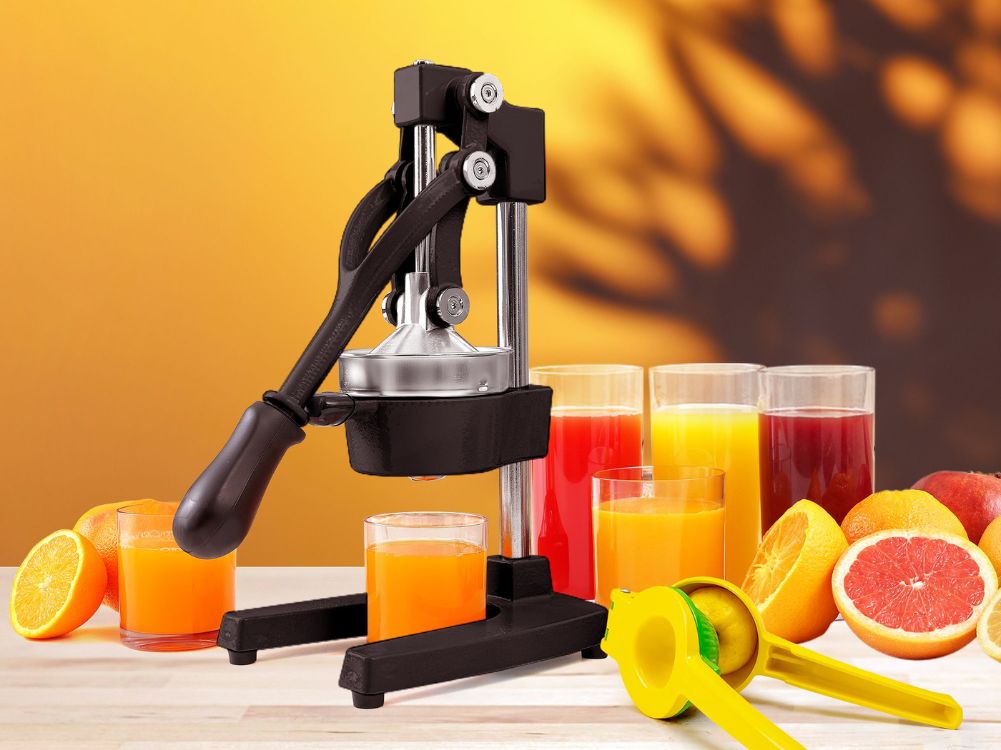
- Citrus Juicer: Typically, a handheld or countertop tool meant for juicing lemons, limes, oranges, or grapefruits. Manual citrus presses, such as our Zulay Professional Citrus Juicer, are designed with a heavy-duty lever and built-in filter baskets to strain out pulp and seeds with a single press.
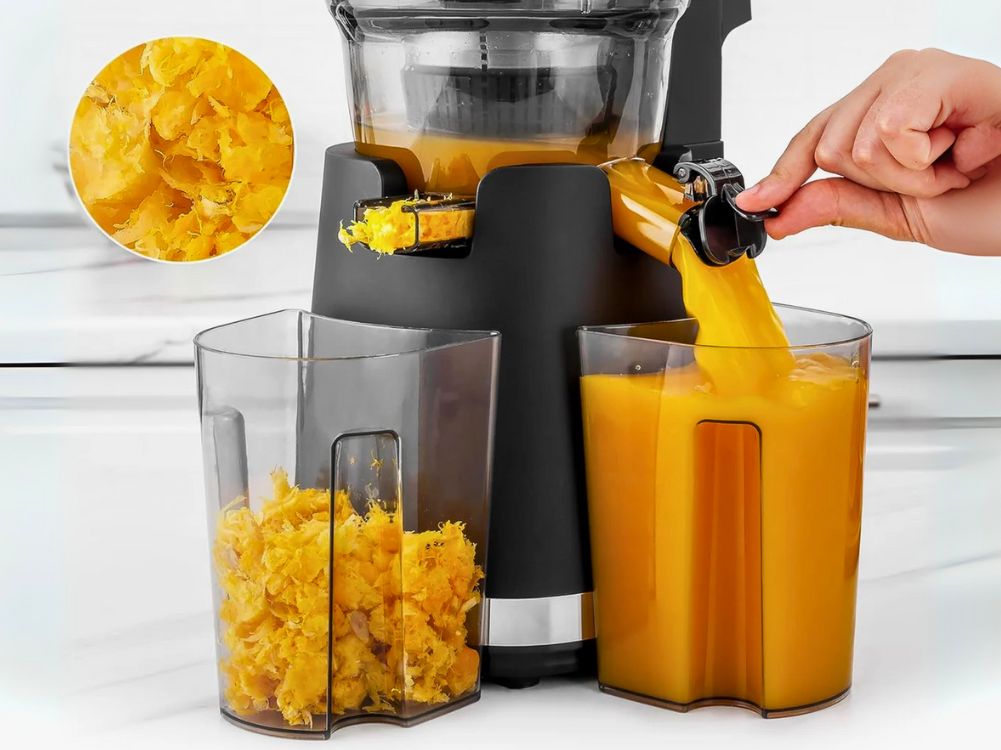
- Masticating Juicer: Also known as a cold-press or slow juicer, this style utilizes a rotating auger to apply slow, even pressure to crush and squeeze juice from produce. A masticating juicer is great for leafy greens, celery, and wheatgrass. These often include a push stick, fine filter, and juice collectors to separate pulp and juice efficiently.
- Centrifugal Juicer: A more high-speed, electric option that uses spinning blades to chop fruits and veggies and then flings the juice out through a mesh basket using centrifugal force. Common in “fountain juicers,” these models often include wide feed chutes, variable speed controls, and large jugs for juice collection.

Though centrifugal juicers are fast and convenient, they tend to generate more heat, which can degrade delicate enzymes and reduce nutrient content. That’s why many juice lovers prefer the gentle extraction process of a manual juice press or masticating juicer, especially for daily use.
Understanding these components, like the filter basket, juice collector, or push stick, makes juicing smoother and safer. Each part plays a role in ensuring you get maximum juice yield with minimal mess.
Selecting and Preparing Ingredients for Juicing
The beauty of using a juice press is that it lets you get creative with fresh, whole ingredients. But not all fruits and veggies juice the same way. To get the best results, it pays to know how to prep them properly.
Start with produce that’s ripe but firm, and always wash your fruits and vegetables thoroughly. Dirt, wax, or pesticide residue can affect both flavor and food safety. While a juice press doesn’t require much prep compared to electric juicers, slicing or halving larger items helps with yield and consistency.
Here’s how to handle some of the best ingredients for juicing:
Citrus Fruit (lemons, limes, grapefruits)
These are juice press all-stars. Slice them in half and place them cut-side down on the press. They’re loaded with vitamin C, and the high moisture content makes them efficient to juice. A splash of lemon juice or lime can brighten up root-veg-heavy blends.

Leafy Greens
Kale, spinach, and chard can be a bit delicate for centrifugal juicers, but manual presses or cold-press juicers handle them better when layered with firmer produce. Combine them with green apples or citrus for balance.
Root Vegetables (beets, carrots, turmeric, ginger)
Slice these into thin rounds before pressing. While a manual juice press won’t extract as much juice as a masticating juicer would, you’ll still get rich, earthy flavors plus the anti-inflammatory benefits of turmeric and ginger. A little goes a long way, so start small and taste as you go.
Cranberries and Chili Peppers
Tart and spicy additions like cranberries or chili peppers add zing to your juice blends. Because they’re lower in moisture, they work best when mixed with high-juice produce like citrus or apples. Always remove seeds from chili peppers (unless you’re into serious heat!)
Black Pepper
While not a juice base, a tiny pinch of black pepper can enhance the bioavailability of curcumin in turmeric, which is a smart move if you're juicing for health benefits.
Juicing Process and Techniques
Juicing is all about getting the most flavor, nutrients, and efficiency out of your ingredients. Follow these steps to master the process, no matter what type of juice press you’re using:
1. Assemble Your Juicer Properly
Start by assembling your juicer according to the manufacturer's guide. For manual juice presses, this usually involves securing the press arm, strainer cone, and juice collector in place. With cold-press juicers (aka slow juicers), make sure the auger, fine filter, and pulp outlet are locked in place before use. These machines operate at low RPMs to extract nutrient-dense sips with minimal oxidation, which is ideal for leafy greens or root veggies.
2. Know Your Juicer Type
Different juicers work best with different techniques:
-
- Fountain juicers (also called centrifugal juicers) use spinning blades and a feed chute to quickly juice high-moisture fruits like oranges and apples. They’re fast but tend to produce more pulp and oxidize juice quicker.
- Masticating juicers (aka slow or cold-press juicers) crush ingredients slowly, preserving nutrients and minimizing foam.
- Citrus juicers, including handheld citrus squeezers, are ideal for lemons, limes, and grapefruits, as they are quick, simple, and mess-free.
3. Prepare Your Produce for Optimal Extraction
Wash your produce thoroughly and cut it into manageable pieces. Remove thick peels or pits if needed. Layer ingredients strategically. For example, alternate fibrous ingredients like celery or leafy greens with juicy produce to help flush the pulp through.

4. Feed Gradually to Maximize Efficiency
Don’t overload the juicer. With electric models, slowly insert ingredients into the feed chute, using a push stick if provided. This guarantees smooth juice extraction and prevents clogging, especially when making pulp-heavy juicing blends like those with cranberries or beets.
5. Alternate Ingredients for Better Flow
For nutrient-dense sips, especially with a slow juicer, alternate juicy items like green apples or citrus fruits with drier ones like leafy greens or carrots. This helps keep the juicer clean and maintains a steady flow of juice.
6. Use Pulp Settings if Available
Some slow juicers and fountain juicers offer variable speed controls or adjustable pulp settings. Use these to fine-tune how much pulp ends up in your glass, which is great for preferences ranging from silky-smooth to extra pulpy.
7. Watch for Residual Pulp
Keep an eye on the juice collectors or jugs and empty them when they fill. If pulp backs up, stop and clear it out to avoid overstraining your juicer, especially important when juicing fibrous veggies like beets or ginger.
How to Clean and Maintain Your Juice Press
A clean juicer means food safety, good flavor, and preserving the life of your appliance. Letting residual pulp or sticky juice sit too long can lead to bacteria buildup, clogged components, and funky smells no one wants near their fresh juice (yikes!). Here’s how to stay on top of it:

Step 1: Unplug and Disassemble Immediately
Once you’re done juicing, unplug your machine and carefully detach all removable parts- this includes the mesh basket, juice collectors, filter, and attachments. The longer the pulp sits, the harder it becomes to clean, so do this right away.
Step 2: Scrape Pulp into the Compost
If you’re eco-conscious, scrape leftover pulp into a compost bin. Many fruits and veggies, like carrot tops, beet pulp, or citrus peels, break down beautifully and enrich garden soil.
Step 3: Soak in Warm Soapy Water
Place all washable parts in a sink filled with warm soapy water and let them soak for a few minutes. This helps loosen any dried juice or pulp, especially inside tight mesh or filter components.
Step 4: Use Brushes for Fine Mesh Areas
To clean the mesh basket and fine filters, use a soft brush (many juicers come with one) or even a clean toothbrush. These areas trap the most debris and are critical for maintaining proper flow and juice quality.

Step 5: Follow the Manufacturer’s Cleaning Recommendations
Always check your juicer's manual for specifics. Some parts may be dishwasher-safe, while others might warp or crack under high heat. Following the manufacturer’s cleaning recommendations helps you make sure you don’t accidentally damage sensitive components.
Step 6: Wipe Down the Base
Use a damp cloth to wipe the juicer’s motor base, BUT never submerge it in water. If juice has splashed onto buttons or crevices, a little warm water and a soft cloth will do the trick.
Step 7: Store Clean and Dry
Once everything is clean, dry all parts thoroughly before reassembling or storing them. You can also keep juiced liquid fresh in a mason jar with a lid in the fridge for 24–48 hours.
Choosing the Right Juice Press
You might know by now that a high-quality juice press is an essential tool for anyone serious about enjoying fresh, nutrient-rich juice at home. So, when shopping for one, prioritize a solid metal construction for stability and long-term durability, ergonomic handles that offer strong leverage with minimal strain, and dishwasher-safe removable parts that make cleanup effortless. Size also matters. A juicer that fits neatly on your counter or in your cabinet is more likely to be used regularly.

Zulay Kitchen offers presses that meet all these standards. The Zulay Professional Citrus Juicer maximizes juice yield with minimal effort, and is perfect for quick, everyday use. It is sturdy, easy to clean, and built to last, making it a smart, long-term investment for your kitchen.
Juicy Recipes to Try
Once you’ve got your juice press ready, the fun really begins. Fresh juice isn’t just for sipping since it can be the base for dressings, cocktails, and energizing shots. Here are a few bright ideas to get you started:

-
- Fresh Ginger Lemon Shots: A bold, zesty shot to wake up your senses and support immune health.
- Classic Limeade: Simple, tart, and incredibly refreshing, which is perfect on a warm afternoon.
- Grapefruit Chili Margarita: A fiery twist on a citrusy favorite that brings a kick to cocktail hour.
- Orange Poppy Seed Dressing: Elevate your salad with this light, citrus-forward vinaigrette.
Final Thoughts
Using a juice press is one of the easiest ways to boost your health, add flavor to meals, and cut down on processed drinks. From prep to cleanup, a well-used juice press can become one of your kitchen’s most-loved tools. So go ahead- get hands-on, get creative, and get juicing. For smart tools, premium ingredients, and pro tips, explore the full collection at Zulay Kitchen. Cheers to fresh sips and kitchen happiness!

FAQs About Using Juice Press
Can I use a juice press for all fruits and vegetables?
A manual juice press is best suited for citrus fruits like oranges, lemons, limes, and grapefruits. For hard produce (carrots, beets) or leafy greens, you'll want a cold-press (masticating) juicer or centrifugal juicer, which uses spinning blades and variable speed controls for effective juice extraction. Consider what types of ingredients you’ll juice most often, and choose a machine that matches your needs.
What’s the difference between a citrus juicer and a cold-press juicer?
A citrus juicer is designed specifically for citrus fruits. It uses pressure to extract juice without disrupting seeds or pulp too much. A cold-press or slow juicer, on the other hand, crushes fruits and vegetables to extract juice slowly, retaining more nutrients and minimizing heat. It’s great for leafy greens, ginger, turmeric, and dense produce like beets or carrots.
How do I clean a juice press properly?
First, disassemble all removable parts and rinse them under warm water. Use warm soapy water and a soft brush or cloth to remove pulp from the mesh basket, filter baskets, or chute. Soak sticky parts if needed. Check if your components are dishwasher-safe. Always follow the manufacturer's cleaning recommendations to preserve longevity. Empty the residual pulp into a compost bin or trash before cleaning. Store clean parts dry to avoid moisture buildup.
What are the healthiest ingredients to juice?
For a nutrition boost, go for leafy greens (like spinach or kale), carrots, beets, green apples, citrus fruit, ginger, and turmeric. Add flavor with black pepper or cranberries, and sweetness with limes or grapefruits. These combinations create nutrient-dense sips rich in antioxidants, vitamins, and anti-inflammatory compounds. Rotate ingredients to balance flavors and benefits.
What’s the best way to reduce pulp in my juice?
To minimize pulp, use a fine filter or mesh strainer over your juice collector or mason jar. Some juicers include variable pulp-control settings or filter baskets. For pulp-heavy juicing, run the juice through a strainer or cheesecloth after extraction. Keep in mind, though—some pulp contains beneficial fiber!
Do I need to peel fruits and vegetables before juicing?
It depends on your juicer and the ingredient. For citrus, always peel before using a cold-press juicer. In citrus juicers, halves go in as-is. For produce like carrots, beets, and green apples, peeling is optional, but can reduce bitterness or pesticide residue. Ginger, turmeric, and chili peppers can often be juiced unpeeled, but wash them thoroughly.



Leave a comment
This site is protected by hCaptcha and the hCaptcha Privacy Policy and Terms of Service apply.