

Take This 1-Minute Quiz To ClaimUp To 63% Off Your Teak Set
What’s your age range?


- Kitchen-Tested
- Private & Secure
- 100% FREE
👀 Did you know?
62% of cooks your age still use plastic utensils that can leach chemicals when hot.
Are you one of them? Answer the next question to see how your kitchen compares.
- Cooks under 30 using plastic 62%
- Typical nylon heat limit ~400°F
👀 Did you know?
68% of cooks your age still use plastic utensils that can leach chemicals when hot.
Are you one of them? Answer the next question to see how your kitchen compares.
- Cooks 30–44 using plastic 68%
- Typical nylon heat limit ~400°F
👀 Did you know?
72% of cooks your age still use plastic utensils that can leach chemicals when hot.
Are you one of them? Answer the next question to see how your kitchen compares.
- Cooks 45–64 using plastic 72%
- Typical nylon heat limit ~400°F
👀 Did you know?
79% of cooks your age still use plastic utensils that can leach chemicals when hot.
Are you one of them? Answer the next question to see how your kitchen compares.
- Cooks 65+ using plastic 79%
- Typical nylon heat limit ~400°F
What do you cook with most?
Pick the one you reach for every day.
KITCHEN RISK ANALYSIS
Plastic Utensils Wear Down, and That Plastic Has to Go Somewhere

Look at your favorite plastic spatula. Scratched, chipped, or slightly melted? Heat, friction and everyday wear break plastic kitchenware down over time, and those tiny pieces can end up in your food.
-
Heat damage / melting High
-
Chemical exposure when hot High
-
Microplastic shedding High
-
Stains & odors Moderate
-
Wear over time High
Kitchen risk analysis
Not All Silicone Is What It Claims to Be

Pinch your silicone spatula and twist it. Does it turn white? That usually means cheap fillers were mixed in. Silicone can also soak up oils and odors over time, leaving a greasy film that never quite washes off.
-
Low-quality filler risk High
-
Stain & odor absorption High
-
Greasy residue buildup High
-
Flimsy for heavy stirring Moderate
-
Heat resistance issues Low
Kitchen risk analysis
Metal Utensils Are Quietly Destroying Your Pans

Every stir and scrape with metal leaves marks on nonstick and enameled cookware. Once the coating is scratched, food sticks and the pan wears out much sooner.
-
Scratches nonstick pans High
-
Damages cookware coating High
-
Coating flakes in food Moderate
-
Handle heat transfer Moderate
-
Noisy, harsh on pans High
-
Pan replacement cost Ongoing
Kitchen risk analysis
Cheap Wood Cracks, and Bacteria Moves In

Check your wooden spoons for cracks, splits, or dark stains. Cheap wood and bamboo soak up water every time they're washed, so they warp and split over time, and those cracks are hard to clean and easy for bacteria to hide in.
-
Cracking & splitting High
-
Bacteria in cracks High
-
Water absorption / warping High
-
Splintering Moderate
-
Stains & odors Moderate
How often do you cook at home?
What cookware do you use most?
What bothers you most about your current utensils?
Select all that apply.
How old is your current utensil set?
Building your kitchen upgrade profile…
- Analyzing your cooking habits…
- Checking your cookware…
- Matching you with the right set…
- Looking up today's offer…
Analysis complete
Your Utensil Upgrade Score
You're using [utensil|lower] [frequency|lower] on [cookware|lower] cookware. The things bugging you most, [problems|lower], are exactly what solid teak wood fixes.
The good news: it's a simple swap.
Your match
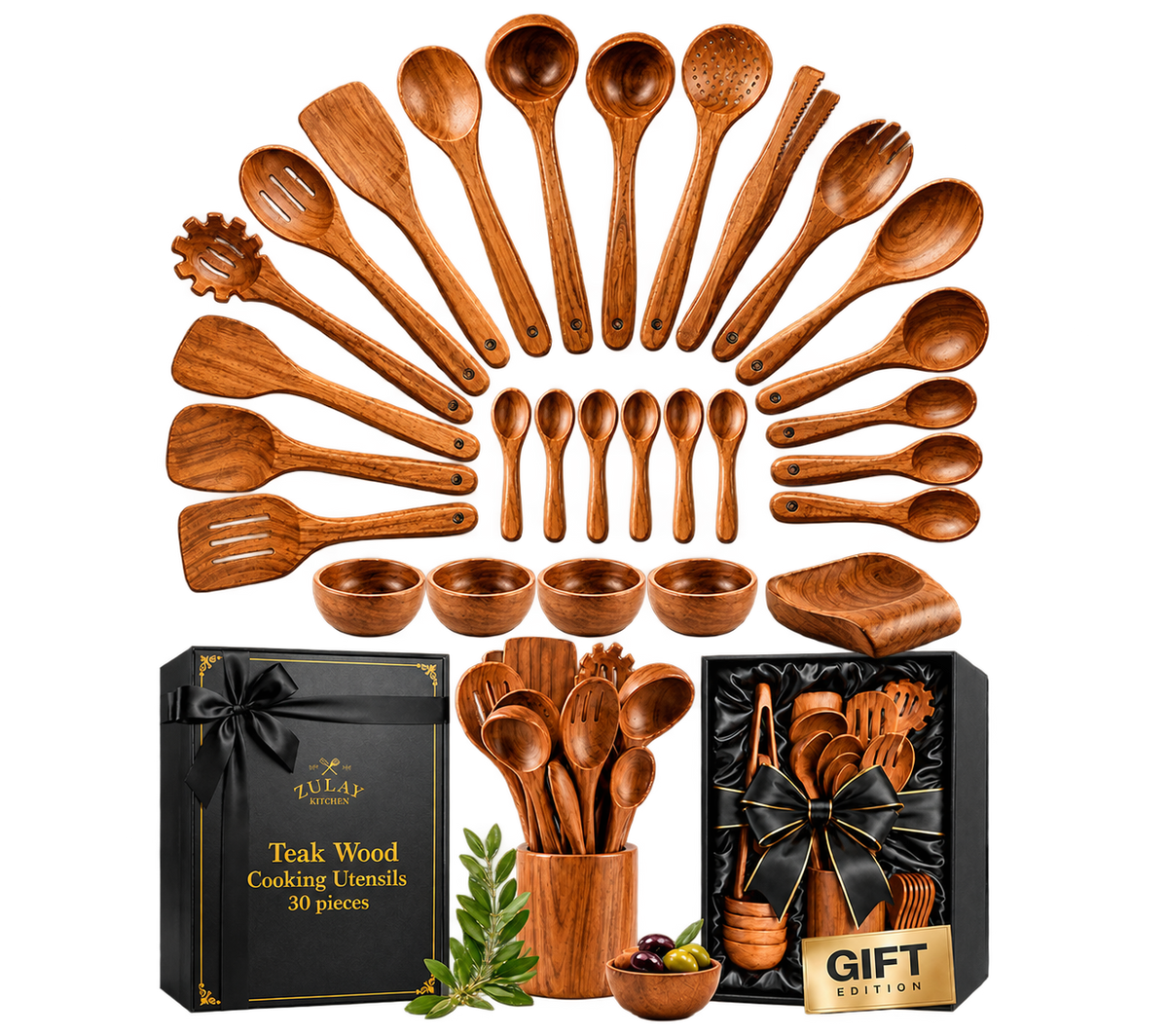
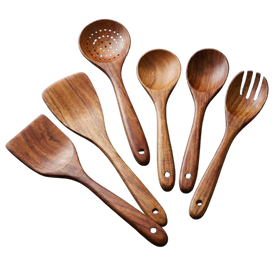
Meet the Zulay Teak Wood Utensil Set

- Solid teak wood, with no plastic touching your food
- Won't scratch nonstick, cast iron or enameled pans
- Naturally heat resistant, so no melted edges
- Loved by 200,000+ home cooks
- Backed by the Kitchen Happiness Guarantee
Applying your discount…
Your 61% Discount Is Ready
 UP TO 61% OFF
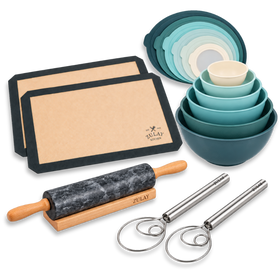
Plus free gifts with your order. Your offer is reserved for this session only.
Kitchen Happiness Guarantee • Free shipping