




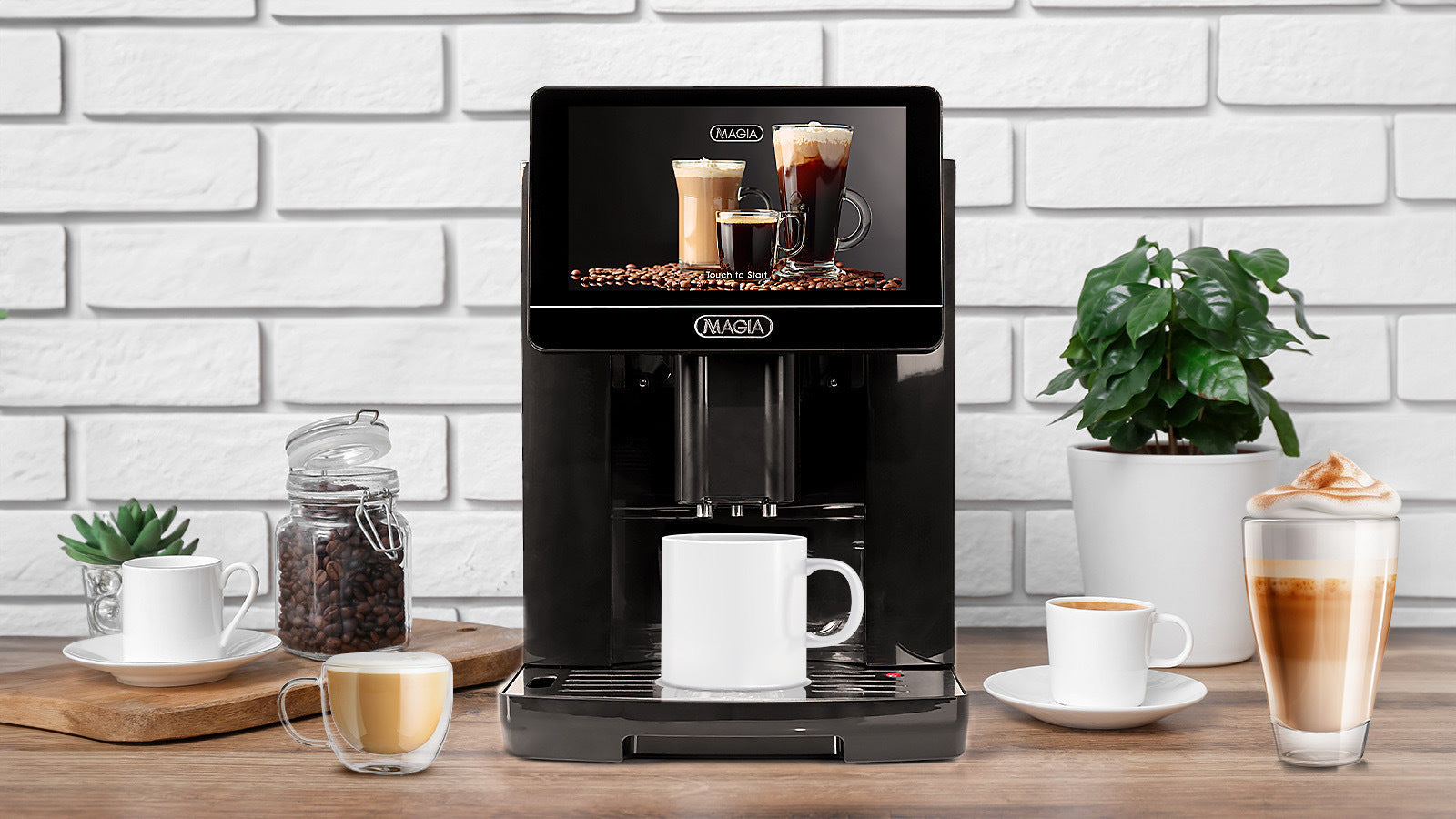
How Many Bars Should an Espresso Machine Have
When shopping for an espresso machine, you’ll often see “bars of pressure” mentioned as a key feature. But what does this mean, and how many bars should an espresso machine have for the best results? This blog will delve into the concept of pressure in espresso machines, its significance, and how to choose the right machine based on its pressure rating.
Understanding Pressure in Espresso Machines
The pressure exerted by an espresso machine is a critical factor in brewing a perfect shot of espresso. Understanding how pressure works and its impact on the brewing process can help you make an informed decision when choosing an espresso machine.
The Role of Pressure in Espresso Extraction
Pressure is essential in espresso extraction because it forces hot water through finely-ground coffee at high speed. This high-pressure environment extracts the rich flavors, oils, and crema that characterize a well-made espresso. Without sufficient pressure, the water could not extract these elements effectively, resulting in a weak and under-extracted coffee.
Optimal Pressure for Espresso
The generally accepted standard for brewing espresso is 9 bars of pressure. This pressure level is ideal for extracting the right balance of flavors and creating a rich, creamy crema. However, many consumer espresso machines are marketed with pressure ratings of 15 bars or more. It's important to understand what these numbers mean and how they relate to actual performance.
Common Pressure Ratings in Espresso Machines
Espresso machines come with various pressure ratings, often ranging from 9 to 20 bars. Knowing what these ratings signify and how they affect your espresso can help you choose the right machine for your needs.

9 Bars of Pressure
Traditionally, nine bars of pressure has been the standard for espresso extraction. Professional and high-end consumer machines typically use 9 bars, as this is considered sufficient for achieving optimal extraction. At 9 bars, the machine can properly extract the coffee’s flavors and oils, creating a balanced and flavorful shot.
15 Bars of Pressure
These machines often have a pump capable of generating 15 bars of maximum pressure, but they operate at a lower pressure during the extraction process. The higher pressure rating is meant to ensure that the machine can consistently reach and maintain the optimal nine bars needed for proper extraction.
20 Bars of Pressure and Above
Some espresso machines boast pressure ratings of 20 bars or more. While these high numbers might seem impressive, they don't necessarily translate to better espresso. The key is not the maximum pressure but the machine’s ability to maintain a steady 9 bars during extraction. Excessively high pressure can lead to over-extraction, resulting in a bitter and unpleasant taste.
Choosing the Right Pressure for Your Espresso Machine
Selecting an espresso machine based on its pressure rating involves more than just looking at the highest number. Understanding how pressure affects the brewing process and what features to look for can guide you in making the best choice.
Consistent Pressure Delivery
The most important factor is the machine's ability to deliver consistent pressure throughout the extraction process. A machine that can maintain a steady 9 bars of pressure is ideal. Look for machines with high-quality pumps and pressure regulators that ensure stable performance.
Quality of the Pump
The type of pump in an espresso machine significantly affects its performance. Vibratory pumps are common in home machines and can provide adequate pressure, but rotary pumps, often found in commercial machines, are more durable and provide more consistent pressure. Investing in a machine with a high-quality pump can lead to better espresso extraction and a longer-lasting machine.

Other Features to Consider
In addition to pressure, consider other features that can enhance your espresso experience. Temperature stability, for instance, is crucial for consistent extraction. Machines with PID (Proportional-Integral-Derivative) controllers offer precise temperature control, which complements consistent pressure to produce high-quality espresso. Also, the build quality, ease of use, and machine maintenance requirements must be considered.
The 19-Bar Italian Pump Experience
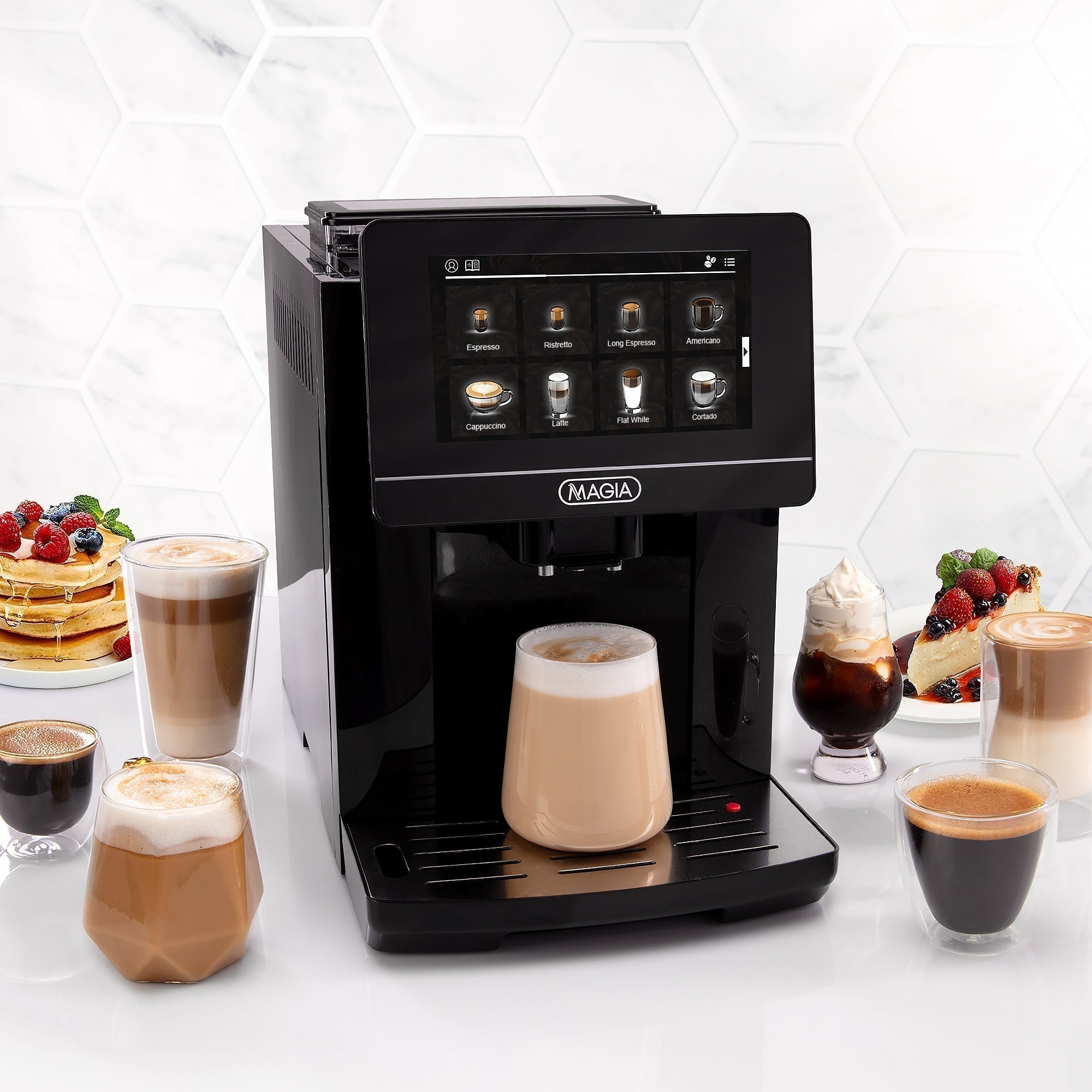
When exploring espresso machines, you may come across models boasting a 19-bar Italian pump such as the Zulay Magia Super Automatic Espresso Machine. This feature is often highlighted as a mark of quality and performance. Understanding what this means can help you decide if a machine with this pump is right for you.
What is a 19-Bar Italian Pump?
A 19-bar Italian pump is a high-quality pump designed in Italy that can generate up to 19 bars of pressure. Italian engineering is renowned in the coffee industry, and these pumps are often considered a premium component in espresso machines. The ability to reach 19 bars ensures that the machine has ample pressure to extract espresso effectively, even if the actual extraction typically occurs at around 9 bars.

Benefits of a 19-Bar Italian Pump
The primary benefit of a 19-bar Italian pump is its reliability in delivering consistent pressure. Here are some specific advantages:
-
- Consistent Pressure Delivery: The 19-bar capacity ensures that the machine can maintain a steady 9 bars of pressure during extraction, which is optimal for brewing espresso.
- Quality and Durability: Italian pumps are known for their build quality and durability. Investing in a machine with a 19-bar Italian pump often means better longevity and performance.
- Enhanced Extraction: The higher pressure capacity can help in achieving a more efficient extraction, ensuring that all the flavors and aromas are drawn out from the coffee grounds.
To Wrap It Up
Choosing an espresso machine is an investment in your coffee experience, and understanding pressure ratings is a key step.
While the ideal pressure for brewing espresso is around 9 bars, a machine with a higher rating, like a 19-bar Italian pump, offers distinct advantages. It ensures consistent pressure throughout the extraction process and speaks to the machine's build quality and durability, drawing on the renowned craftsmanship of Italian engineering.

Remember, though, that pressure is just one piece of the puzzle. Prioritize a machine's ability to maintain consistent pressure, the quality of its components, and features like temperature stability.
Consider your budget, desired features, and how much control you want over the brewing process. By weighing these factors, you'll be well-equipped to choose an espresso machine that consistently delivers rich, flavorful espresso, cup after cup.
Looking for coffee recipes? Visit Zulay’s Kitchen Recipes today for more inspiration!



Leave a comment
This site is protected by hCaptcha and the hCaptcha Privacy Policy and Terms of Service apply.