




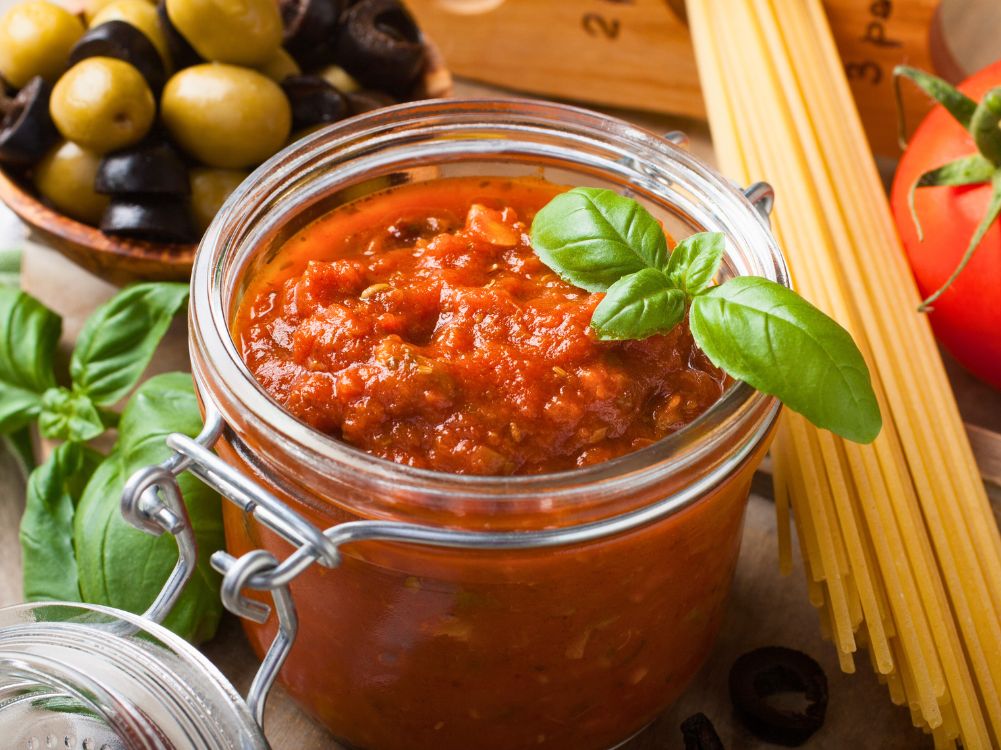
The Easy Way to Upgrade Store-Bought Pasta Sauce
We’ve all been there. Coming home after a long day, hungry and tired, only to find a jar of store-bought marinara sitting in the pantry. It’s quick, convenient, and it’ll get dinner on the table, but it never quite tastes like the sauce your favorite Italian restaurant serves.
Here’s the good news: you don’t need hours to make that happen. With a few thoughtful tweaks, you can take any jarred sauce from flat to flavorful in less time than it takes to boil your pasta. In fact, the U.S. market for pasta sauces is valued at about US $2.54 billion in 2024, underscoring how much Americans rely on convenient jarred sauces. The secret is about building on what’s already there. Because at the end of the day, cooking isn’t about perfection, it’s about creating something that tastes amazing, even when life gets busy. This is your guide to transforming the ordinary into something extraordinary—one jar of pasta sauce at a time!
What’s Inside Store-Bought Pasta Sauce
Before we start upgrading, it helps to understand what’s actually in that jar. Most store-bought pasta sauces share a familiar list of ingredients: tomatoes, olive oil, sugar, salt, garlic, and dried herbs like basil or oregano. Many also include thickeners or preservatives to extend shelf life and maintain a consistent texture. These components make jarred sauces convenient and dependable, but they also explain why the flavor can taste flat or overly processed.
Even the best store-bought sauces often lack depth, freshness, and balance. Some are too acidic from over-processed tomatoes, while others are too sweet to mask that acidity.

So here’s a quick chef’s trick: read the ingredient label before buying. If you see tomatoes or tomato puree listed first, that’s a good sign- it means the sauce starts with a real tomato base instead of water or fillers. Look for simple ingredient lists and minimal added sugars or oils. In the next sections, we’ll break down how to enhance flavor, balance acidity, boost nutrition, and perfect consistency, so your next pasta night tastes like it came straight out of a family kitchen in Italy.
Enhancing Flavor with Add-Ins
One of the easiest ways to transform store-bought pasta sauce is by layering in flavorful add-ins:
-
- Sauté aromatics: Gently cook onions, garlic, carrots, mushrooms, or peppers in olive oil to release natural sweetness and build a rich aromatic base.
- Add herbs and spices: Sprinkle Italian herbs and spices early in the process to bloom in the hot oil and infuse a classic, balanced aroma.
- Boost umami: Stir in anchovies, bouillon, or a small piece of Parmesan rind to add savory depth and richness.
- Add complexity: Splash in red wine to introduce subtle acidity and simmered flavor.
- Round the edges: Melt a pat of butter at the end for a smooth, luscious mouthfeel.
- Personalize your sauce: Fold in pickled ingredients such as olives or capers for brightness and character.
Flavor builds in layers. Aromatics, herbs, umami boosters, and thoughtful add-ins work together to transform a basic jar of pasta sauce into something that tastes like it simmered for hours, even if it’s ready in minutes.
Boosting Umami and Depth
While add-ins layer flavor, umami is what gives your sauce that irresistible, savory richness. Ingredients like a parmesan rind, anchovy paste, or bouillon quietly deepen the sauce, creating a subtle, savory backbone. A touch of butter, cream, or mascarpone adds luxurious texture, while roasted tomatoes or a splash of red wine round out the taste with natural sweetness and complexity. Even a small addition of vodka can elevate a simple jarred sauce into a smooth, indulgent variation. Finishing touches like capers or pickled mushrooms introduce brightness and layered umami, making every bite feel thoughtfully crafted.

Balancing Acidity and Sweetness
Tomatoes bring natural acidity to pasta sauce, but jarred versions can sometimes taste harsh or metallic. The key to a harmonious sauce is balance, and small adjustments can make a big difference. Stir in a pat of butter or a splash of cream to round sharp edges, or add a touch of brown sugar, granulated sugar, or even grated carrot to tone acidity naturally. Brighten dull flavors with acidic ingredients like balsamic vinegar, lemon juice, or other citrus, and enhance depth with a splash of red wine. Finishing with freshly grated Parmesan introduces subtle sweetness and saltiness that elevate the sauce without overpowering it. For a luxurious twist, a hint of vodka can tie cream and acidity together for a smooth, refined flavor.
Balance happens when no single note dominates. The sweetness, fat, acid, and salt should all work in harmony.
Adding Freshness and Nutrition
Incorporating fresh ingredients boosts flavor and elevates the nutritional profile of store-bought pasta sauce:
-
- Sauté or roast vegetables: Cook zucchini, bell peppers, mushrooms, or spinach to add natural sweetness, depth, and nutrients.
- Add fresh herbs at the end: Sprinkle fresh herbs like basil, parsley, or oregano and tear them to release essential oils.
- Bloom dried herbs in oil: Use Italian seasoning or gently heat dried herbs in oil before adding sauce to intensify aroma.
- Include Mediterranean flair: Stir in olives or capers for briny brightness.
- Roast whole tomatoes: Blend roasted whole tomatoes into the sauce to enhance freshness, texture, and natural sweetness.
- Optional richness: A spoonful of tomato paste can boost body and concentrate flavors without overpowering the fresh elements.
Improving Texture and Consistency

Step 1: Thicken the sauce
Simmer the sauce uncovered to allow evaporation and naturally concentrate flavors. For extra body, stir in tomato paste, which adds richness without overpowering the sauce.
Step 2: Loosen the sauce
Use starchy pasta water to gently thin the sauce while helping it adhere to pasta. Alternatively, add vegetable broth or a touch of Better Than Bouillon for additional flavor and a silky texture.
Step 3: Add texture contrast
Fold in diced tomatoes or roasted tomatoes for bursts of freshness and visual appeal. For plant-based protein and extra body, stir in textured vegetable protein (TVP).
Step 4: Smooth and enrich
Finish with cream or butter to create a luxurious, velvety mouthfeel that rounds out the sauce. Consistency determines how sauce clings to pasta. Adjust thickness or looseness while cooking, not after plating, to ensure each bite is perfectly coated.
Incorporating Protein and Dairy
Adding proteins and dairy is a simple way to turn jarred pasta sauce into a hearty, meal-ready dish. Start by sautéing ground beef, spicy sausage, Italian sausage, or chicken in a nonstick skillet to build flavor and ensure even browning without sticking. For a creamy, luxurious texture, stir in ricotta, cream cheese, or crème fraîche, or use Greek yogurt for a lighter, tangy option. Plant-based proteins, like lentils or meat substitutes, work beautifully for vegetarian variations, keeping the sauce satisfying and full-bodied. Finish with a touch of heavy cream or butter to meld flavors and add richness, or fold in sour cream for an extra layer of smoothness. These additions transform a basic jar of sauce into a dish that feels thoughtfully made and restaurant-quality.

Using Specialty Ingredients for Unique Variations
For cooks who want to experiment and elevate their pasta sauce, specialty ingredients open endless possibilities. Add Calabrian chiles or a pinch of smoked paprika to introduce heat and smoky complexity, or blend in roasted red peppers for a creamy, subtly sweet twist. Pickled ingredients and pickled red peppers bring tangy brightness that wakes up the sauce, while a splash of vodka combined with pecorino or parmesan transforms it into a luxurious vodka-style sauce.
For maximum flavor infusion, try pressure-cooking or slow-simmering the sauce in a Dutch oven, which allows herbs, spices, and wine to meld beautifully. Finish with fresh herbs to add vibrancy and aroma. Sauce should evolve with your taste. Experimenting with unique ingredients can turn a simple weeknight dinner into a memorable culinary experience.
Pasta and Serving Suggestions
Match sauce to pasta shape
Thick, hearty sauces, enhanced with roasted tomatoes, cream, or ricotta, cling best to rigatoni, penne, or other short, ridged pasta, so each bite is flavorful. On the other hand, smooth, velvety sauces pair beautifully with spaghetti, linguine, or fettuccine, allowing the sauce to coat the strands evenly for a luxurious mouthfeel.
Complement the meal with sides
Round out your pasta night with garlic bread, a crisp green salad, or roasted vegetables. These additions add texture, freshness, and a well-balanced plate. Roasted vegetables, like zucchini or bell peppers, also tie in flavors from your upgraded sauce for a harmonious meal.
Use the right tools for easy serving
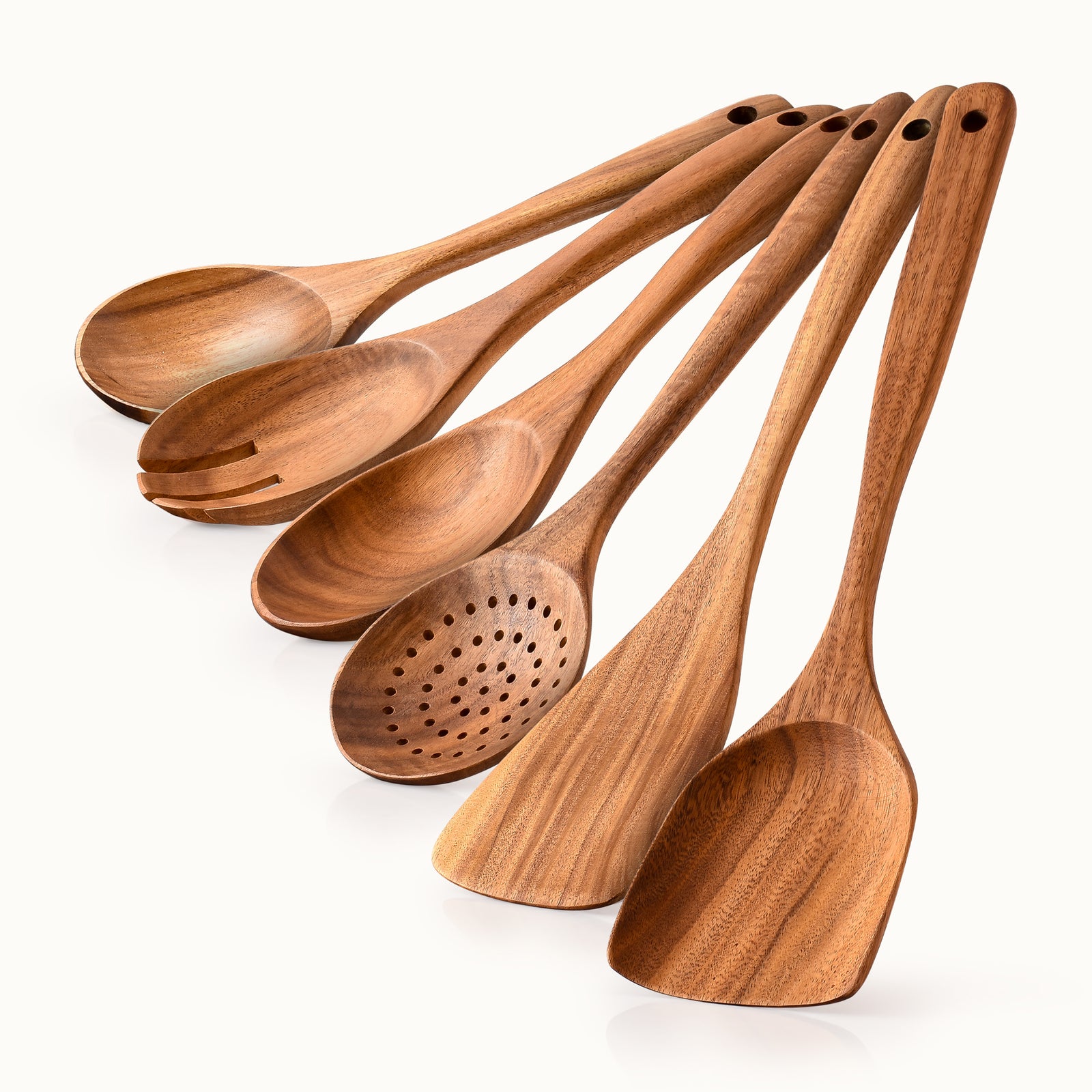
A silicone spatula set helps you scrape, fold, and serve sauce efficiently without mess or sticking. Tools like these make plating smooth and stress-free, letting your upgraded sauce shine with minimal effort.
Presentation is part of flavor
A thoughtfully plated dish with sauce evenly coated over pasta looks and tastes more appetizing. Garnish with fresh herbs, grated cheese, or a drizzle of olive oil to elevate both appearance and flavor. Remember, how you present your pasta can enhance the overall dining experience, even on a busy weeknight.
Final Thoughts
Upgrading store-bought pasta sauce doesn’t require hours or complicated techniques, just a few smart touches. Fresh herbs, a knob of butter, a splash of cream, or a dash of umami can transform a jarred sauce into something that tastes homemade and indulgent. With small, intentional upgrades, restaurant-quality flavor is entirely achievable in your own kitchen.
Next time you reach for a jar, think of it as your canvas. With the right ingredients, a little patience, and the right tools, you can turn a weeknight dinner into a culinary experience.





Leave a comment
This site is protected by hCaptcha and the hCaptcha Privacy Policy and Terms of Service apply.