

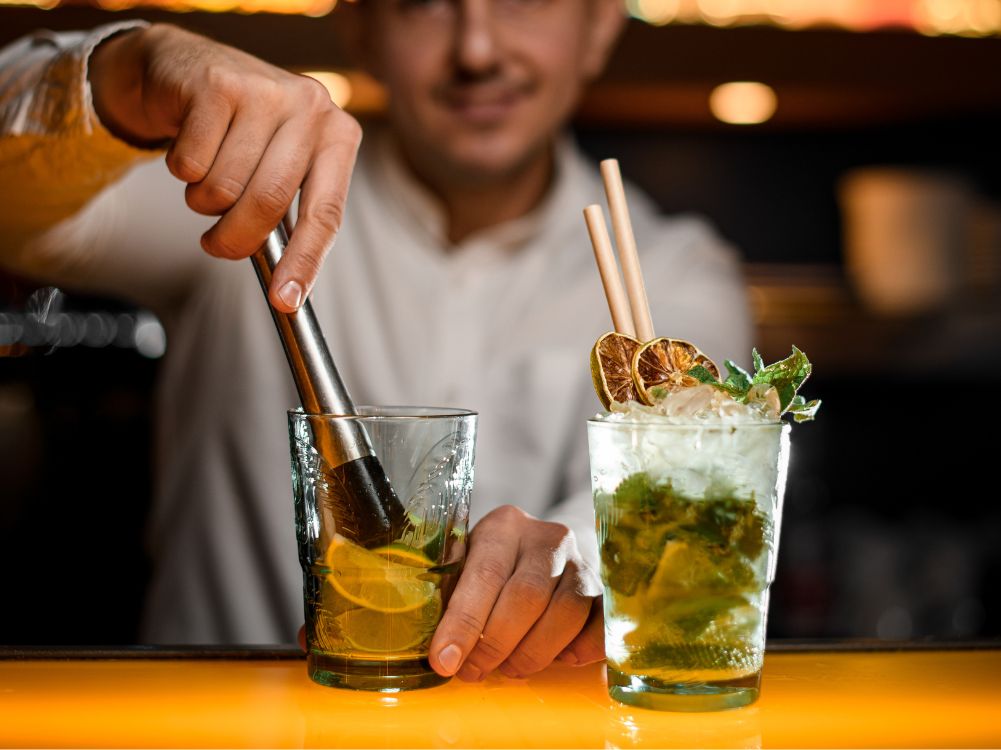
How to Use a Cocktail Muddler- Quick Tips for Beginners
Every home bartender remembers their first attempt at muddling. For me, it was during a summer dinner party when I tried to make Mojitos using the back of a wooden spoon, and ended up with limp mint leaves and a drink that tasted more like sweet lime water than a refreshing cocktail. That night, I realized there’s a real craft to getting it right, and it starts with using the proper tool.
It turns out the cocktail muddler is the secret behind fresh, flavorful drinks. This simple tool helps release essential oils, juices, and aromas from herbs and fruits without crushing them into bitterness. In fact, studies show that properly muddled herbs can release up to 40% more aroma compounds, enhancing both taste and scent. In this guide, we’ll dive into how to use a cocktail muddler the right way so you can create drinks that look, smell, and taste exceptional.
What is a Cocktail Muddler
A cocktail muddler is one of the most essential mixology tools for beginners. Think of it as the bartender’s version of a mortar and pestle. Instead of crushing herbs and fruits into pulp, a muddler gently presses ingredients to release their natural oils, juices, and aromas, giving cocktails that fresh, handcrafted taste you can’t get from bottled mixers.
Unlike “crushing,” muddling is about precision and balance. The goal is to press just enough to extract flavor without overdoing it. Too much pressure can bruise herbs like mint or basil, releasing bitter compounds that can overpower the drink.

Types of Muddlers
-
- Wooden Muddlers: A timeless choice for classic cocktails, wooden muddlers offer a natural grip and tactile control that bartenders love. They’re especially effective for herbs and fruits since the textured surface helps release oils and juices evenly.
- Stainless Steel Muddlers: Known for their durability and sleek look, stainless steel muddlers are a favorite among professionals and home mixologists who value longevity. They’re resistant to stains and corrosion, easy to clean, and dishwasher-safe. If you often make citrus-heavy cocktails, this is your go-to option.
- Nylon or Silicone-Head Muddlers: These modern designs feature soft yet sturdy heads that are gentle on delicate glassware. They’re perfect for muddling soft fruits, like berries or peaches, directly in serving glasses without scratching the surface. They’re also a great choice for beginners who want a low-maintenance, versatile muddler.
- Flat vs. Serrated Heads: The shape of the muddler head influences how ingredients are crushed. Flat heads are ideal for gently pressing herbs like mint or basil without tearing them, preserving aroma and taste. Serrated or textured heads work better for tougher ingredients such as ginger, citrus peels, or sugar cubes that need more friction to release flavor.
When selecting a muddler, consider comfort, frequency of use, and the types of cocktails you enjoy most. Wooden muddlers suit traditionalists, while stainless steel models are perfect for high-volume use. Nylon or silicone options provide a balance between comfort and ease of cleaning.
How to Use a Cocktail Muddler

Step 1: Choose the Right Glass
Always start with a sturdy mixing glass, shaker tin, or heavy-bottomed tumbler. These are designed to handle the downward pressure of muddling without cracking or slipping. Avoid using thin or delicate glassware for safety reasons.
Step 2: Add Ingredients
Place your ingredients (fresh herbs, fruits, or sugar cubes) at the bottom of the glass. The order matters: always muddle your flavor elements before adding liquids or ice to ensure maximum flavor extraction.
Step 3: Grip and Press
Hold the muddler upright, resting its head over the ingredients. Press down gently while giving a subtle twisting motion. The goal is to release essential oils and juices, not to crush everything into pulp. Avoid pounding or smashing, as that can ruin texture and clarity in your drink.
Step 4: Control Pressure
Different ingredients require different levels of force. Use a light hand when muddling herbs like mint or basil since overworking them can bring out bitter chlorophyll notes. For tougher ingredients such as lime wedges or ginger, apply slightly firmer pressure to release the full burst of flavor.
Step 5: Mix and Serve
Once you’ve muddled to your liking, add ice, spirits, and other mixers. Stir or shake the drink depending on your recipe, then strain and serve. You’ll notice the difference immediately, which has a richer taste and a smoother finish.
Common Muddling Mistakes

Using too much force
Many beginners think that pressing harder will release more flavor, but this often backfires. Delicate herbs like mint or basil can be bruised, causing bitter chlorophyll to seep into the drink. Instead, apply gentle, controlled pressure with a twisting motion. This releases essential oils and aroma without compromising the taste. Remember: it’s about coaxing the flavor out, not smashing the ingredients.
Muddling in the wrong glass
Using thin or fragile glassware increases the risk of cracking or shattering under pressure. A sturdy mixing glass, shaker tin, or heavy-bottomed tumbler is ideal for muddling. These glasses provide stability, protect your hands, and allow you to apply consistent pressure without worrying about breaking your vessel.
Overfilling the glass
Packing too many ingredients into a glass leaves little room for the muddler to move. This can result in uneven muddling, where some herbs or fruits are overworked while others remain untouched. To ensure even flavor extraction, leave enough space for the muddler to move freely, allowing each ingredient to release its oils and juices properly.
Forgetting to remove stems or seeds
Large stems, pits, or seeds can add unwanted bitterness or create an unpleasant texture in the drink. Always trim herbs and remove seeds or pits from fruits before muddling. This simple step ensures a smoother cocktail and helps maintain a clean, balanced flavor profile.
Using dirty or unwashed muddlers
Residue from previous cocktails can easily contaminate your next drink, affecting taste and hygiene. Even a small leftover piece of fruit or herb can alter the flavor balance. Always clean your muddler thoroughly between uses, and dry it completely before storing. This keeps your drinks tasting fresh and your bar tools in top condition.
Expert Tips & Tricks
-
- Muddle herbs before adding ice. Pressing herbs into the bottom of the glass before adding ice guarantees even flavor extraction and prevents bruising or crushing. Ice can get in the way, making muddling less effective.
- Combine herbs and sugar before muddling. Mixing sugar with herbs helps release essential oils and natural juices, enhancing aroma and taste. This technique is especially useful for cocktails like Mojitos or Caipirinhas.
- Chill your glass before serving. Pre-chilling glasses keeps drinks crisp and refreshing longer, enhancing the overall drinking experience. It also reduces the need for excessive ice, helping maintain flavor balance.
- Use a double-straining technique. After muddling and mixing, strain your cocktail through a julep or fine-mesh cocktail strainer to remove small herb fragments or pulp. This creates a smooth, professional finish in every glass.
- Experiment with aromatic ingredients. Try muddling herbs like basil or rosemary, or light vegetables like cucumber, for unique twists on classic cocktails. These ingredients add depth and elevate presentation for home entertaining.
Final Thoughts
Mastering the cocktail muddler is a simple yet powerful way to elevate your home bartending. With the right technique, even basic ingredients like fresh herbs, citrus, and sugar can be transformed into drinks that taste balanced, aromatic, and professionally crafted. Don’t be afraid to experiment with different fruits, herbs, or pressure levels.
So, if you’re making a classic Mojito, a refreshing Caipirinha, or a creative twist on a traditional cocktail, the muddler puts control and precision in your hands. Ready to take your mixology skills to the next level? Explore Zulay Kitchen to craft cocktails that look as good as they taste.

FAQs About Cocktail Muddlers
What does a cocktail muddler do?
A cocktail muddler is a bar tool designed to gently press and release the natural flavors, oils, and juices from fruits, herbs, and sugar. Unlike crushing or smashing ingredients, proper muddling preserves aroma while extracting taste, giving cocktails depth and balance. Muddlers are commonly used in drinks like Mojitos, Caipirinhas, and Old Fashioneds.
Can I use a regular spoon instead of a muddler?
While a spoon can work in a pinch, it’s not ideal for consistent muddling. Regular spoons lack the proper weight, handle length, and textured head needed to extract flavor evenly from herbs and fruits. Using a spoon can result in uneven flavor, bruised herbs, or difficulty reaching the bottom of the glass.
How much pressure should I use when muddling?
Pressure varies depending on the ingredient. For delicate herbs like mint or basil, use light, controlled pressure to avoid releasing bitterness. For firmer items, such as lime wedges, sugar cubes, or ginger, slightly firmer pressure helps release essential oils and juices effectively. The key is to press and twist rather than pound, allowing ingredients to release flavor without pulverizing them.
What’s the best muddler material for beginners?
Beginners often benefit from muddlers made of nylon or silicone, as they are gentle on glassware and easy to handle. Wooden muddlers provide a traditional feel but require extra care to avoid cracking or absorbing flavors. Stainless steel muddlers are durable and dishwasher-safe, but they may feel heavy for some users. Consider comfort, ease of cleaning, and the types of cocktails you plan to make. Nylon or silicone muddlers strike a balance between durability and usability, making them a practical choice for anyone just starting with muddling cocktails at home.
Can I muddle directly in glassware?
Yes, you can muddle directly in glassware, but it’s important to use sturdy glasses like mixing tumblers, heavy-bottomed rocks glasses, or shaker tins. Avoid thin or delicate glasses, which can crack under pressure. Muddling directly in the serving glass saves time and reduces cleanup but requires careful technique to prevent damage or spillage.
Which cocktails need muddling?
Cocktails that rely on fresh herbs, fruits, or sugar typically require muddling. Classic examples include Mojitos, Caipirinhas, Mint Juleps, and Old Fashioneds. Muddling is essential for releasing the natural oils from herbs like mint or basil, as well as extracting juice from citrus wedges or berries. Some creative cocktails may also benefit from aromatic ingredients like cucumber, rosemary, or seasonal fruits.
How do I clean a wooden muddler properly?
Wooden muddlers require careful cleaning to maintain durability and hygiene. Immediately after use, rinse the muddler with warm water and mild soap, scrubbing gently to remove residue. Avoid soaking it or placing it in the dishwasher, as prolonged exposure to water can cause cracking or warping. Dry it thoroughly with a towel and store it in a dry, ventilated area to prevent mold or odor absorption.


Leave a comment
This site is protected by hCaptcha and the hCaptcha Privacy Policy and Terms of Service apply.