




How to Maintain and Clean Kitchen Gadgets
According to the National Sanitation Foundation, small kitchen tools like blenders, can openers, and spatulas are among the top five most germ-contaminated items in the kitchen. Bacteria such as E. coli and Salmonella can thrive on surfaces that aren’t cleaned properly, especially when food residue and moisture are left behind. Modern kitchen gadgets make cooking faster, cleaner, and more enjoyable. But the same precision that makes them efficient also makes them sensitive to buildup, moisture, and improper handling. At Zulay Kitchen, we’ve tested numerous tools and learned that proper maintenance is about performance, safety, and maximizing the value of your investment. A little care goes a long way in keeping your favorite gadgets working like new.
So in this guide, we’ll walk you through the smart way to clean kitchen gadgets, from daily washing techniques to deep-cleaning routines and long-term maintenance. You’ll learn how to care for different materials, avoid damaging mistakes, and build easy cleaning habits that extend the life of your favorite tools. By the end, you’ll know exactly how to maintain kitchen appliances and apply kitchen tool cleaning tips that keep your gadgets spotless, safe, and ready for every meal.
Why Cleaning and Maintenance Matter
Keeping your kitchen gadgets clean isn’t just about appearances, but it’s also about hygiene, safety, and performance. Food residue, grease, and moisture can quietly accumulate in small crevices, especially in tools with blades, joints, or electronic parts. Over time, that buildup can lead to bacterial growth, rust, or even mold. This affects your food’s taste and quality, and can also pose real health risks if left unchecked.
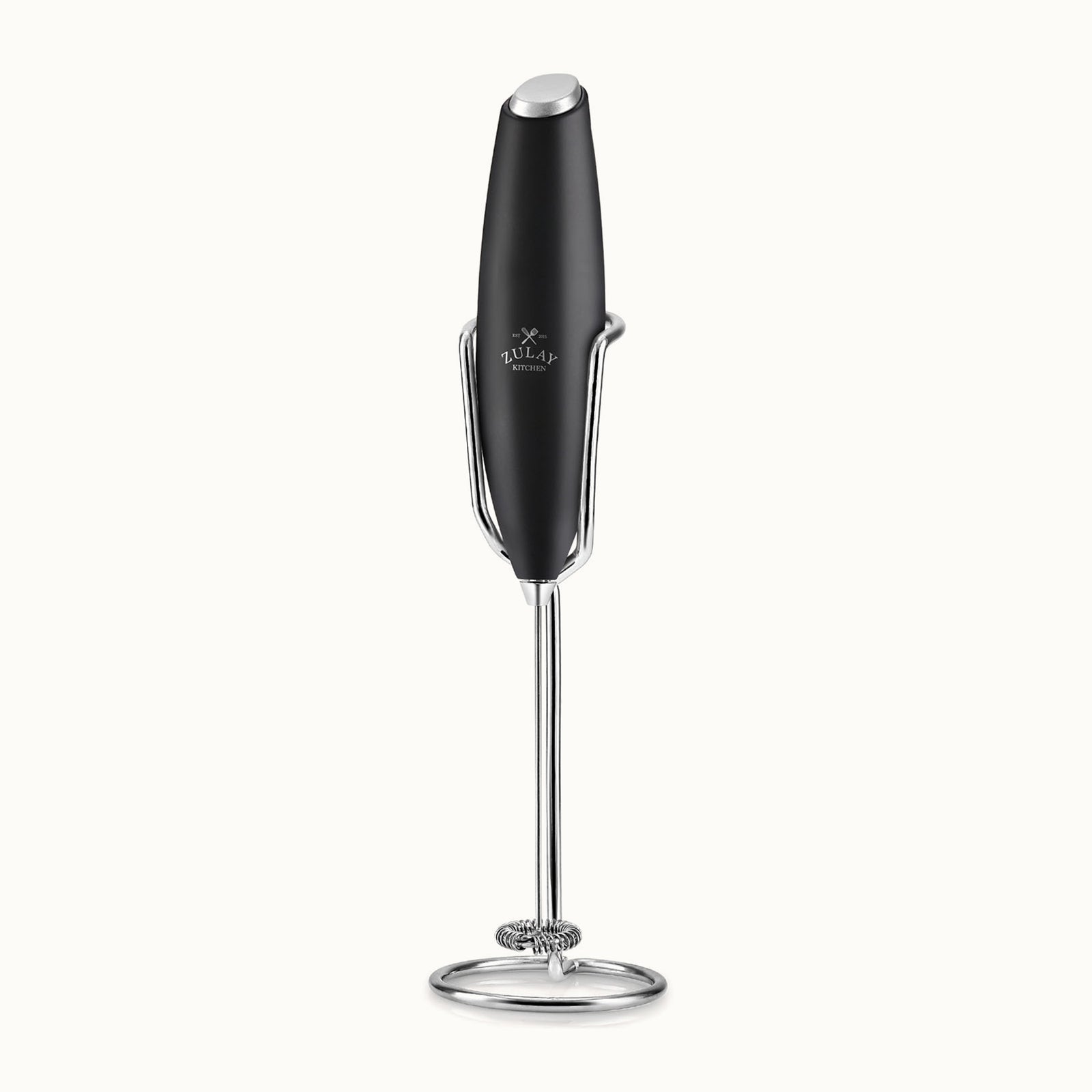
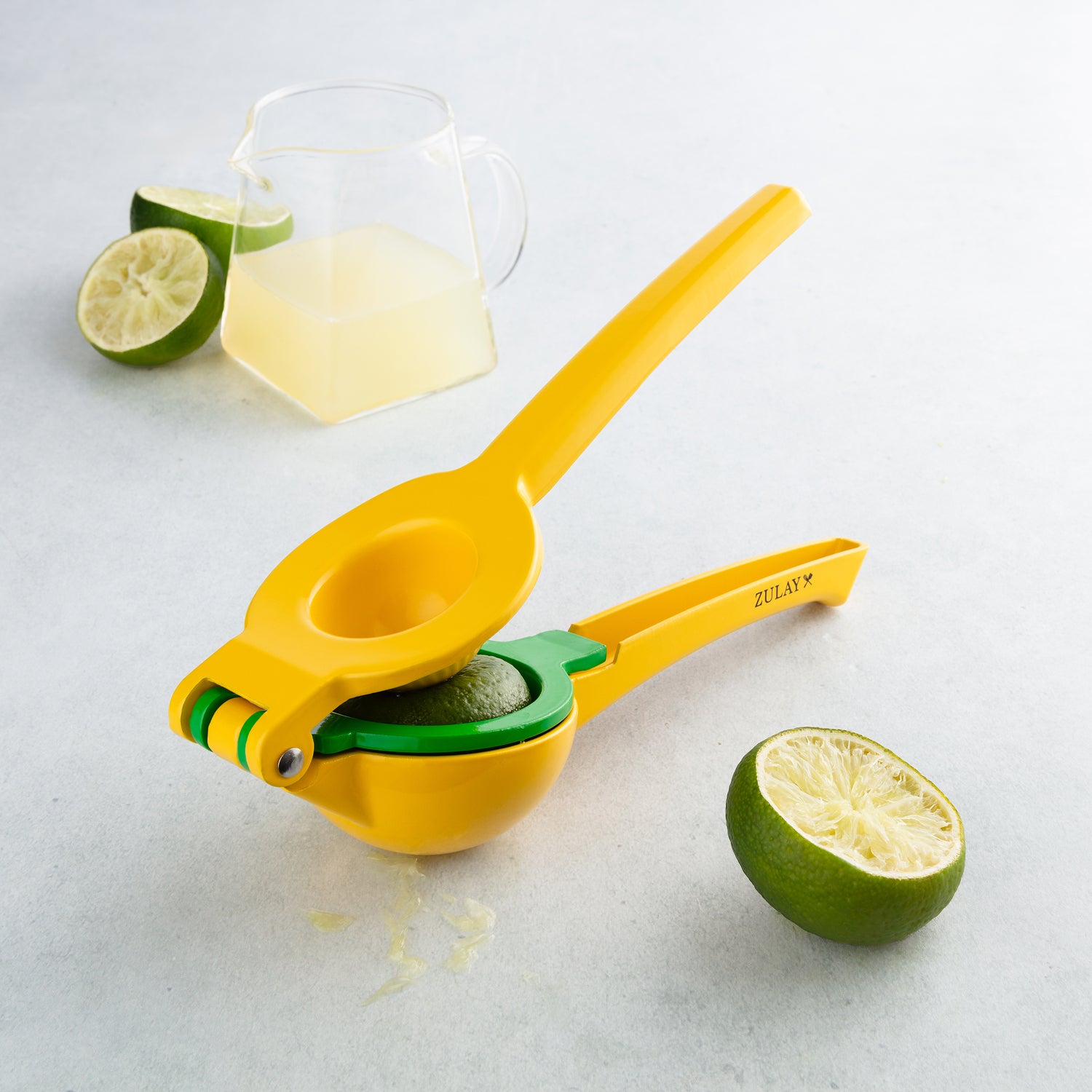
Hygiene aside, regular maintenance directly impacts how well your gadgets perform. A clean milk frother creates a perfect foam every time; a spotless citrus press squeezes out every drop of juice. When residue or mineral deposits build up, efficiency drops, and so does your kitchen happiness. Well-maintained tools work better and last longer.
Understanding Your Kitchen Gadgets
Not all kitchen gadgets are the same, and understanding the type of tool you own is key to keeping it clean and performing well. Different materials and designs require different care methods to avoid damage and maintain efficiency. Common gadget types include:

Electric gadgets
Items like mixers, blenders or immersion blenders, frothers, and grinders often contain sensitive motors, internal wiring, and removable attachments. Because water or harsh cleaning methods can damage electrical components, it’s important to avoid submerging the base in water and instead focus on wiping it down with a damp cloth. Removable parts, such as blender jars or frother whisks, should be cleaned separately with warm soapy water and dried thoroughly. Regular inspection of cords and plugs is also essential to prevent wear or short circuits.
Manual gadgets
Tools such as citrus presses, peelers, garlic presses, and thermometers rely on precise moving parts that can trap food residue. Even small bits of pulp or juices can lead to sticky buildup or corrosion if not cleaned properly. Using a small brush, toothpick, or cloth to reach nooks and grooves is often necessary. For thermometers, wiping the probe with sanitizing alcohol prevents contamination while avoiding water damage.
Metal gadgets
Stainless steel is durable and resists rust, but it can still accumulate water spots or corrosion if left wet. Nonstick-coated tools, meanwhile, require extra care to prevent scratches or peeling. Avoid abrasive scrubbers or steel wool, and always dry metal surfaces immediately after washing. For nonstick tools, soft sponges or cloths and gentle detergents are ideal to maintain their coating.
Wooden or silicone accessories
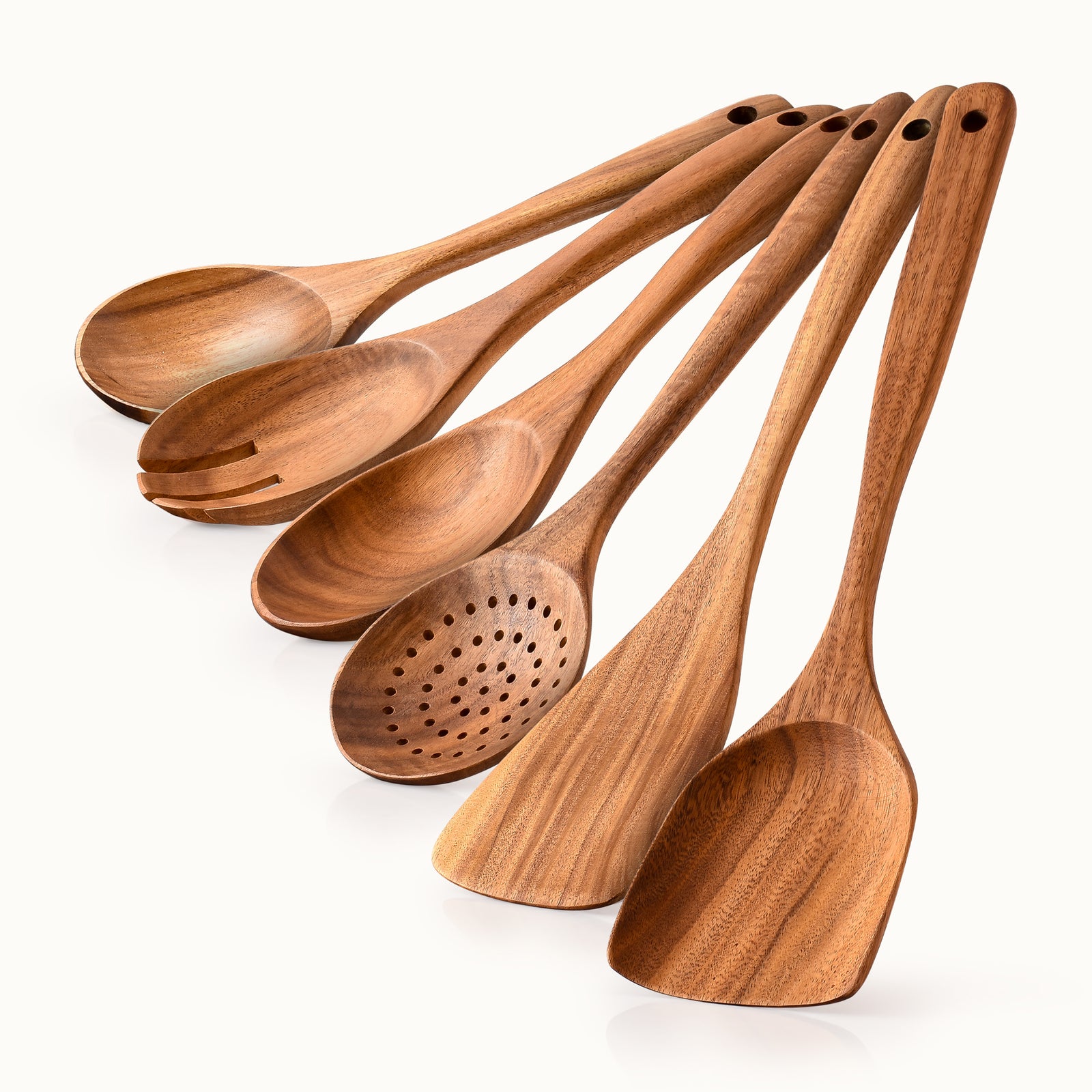
Wooden utensils, cutting boards, and silicone spatulas are highly functional but sensitive to prolonged moisture and harsh cleaning. Avoid soaking wooden items in water, which can cause warping or cracking, and skip abrasive scrubbing that can damage silicone over time. Instead, hand-wash gently with warm soapy water and dry thoroughly. Silicone items, while flexible and heat-resistant, can retain odors if not cleaned properly, so occasional deep cleaning with baking soda or vinegar is recommended.
How to Clean Kitchen Gadgets
Proper cleaning isn’t complicated, but it does require attention to detail. Here’s a step-by-step guide to keeping your kitchen gadgets spotless and performing at their best.

1. Pre-Cleaning Check
-
- Unplug electric gadgets before cleaning to avoid accidents.
- Disassemble parts carefully. Never force components apart, as this can damage mechanisms.
- Remove leftover food or grease using a soft brush or microfiber cloth to make washing easier.
2. Washing and Cleaning
-
- Manual gadgets: Use warm water, mild dish soap, and a soft sponge to remove residue.
- Electric gadgets: Wipe down surfaces with a damp cloth & clean removable parts separately.
- Thermometers and probes: Avoid submerging in water and use a sanitizing alcohol wipe instead.
- Avoid abrasive pads or harsh chemicals, which can damage finishes, sensors, or coatings.
3. Drying Properly
-
- Air-dry components on a drying rack before reassembling to prevent moisture from causing rust or mold.
- Use a lint-free towel for metal surfaces to avoid water spots.
- Make sure there’s proper ventilation for electric parts before storage to protect motors and electronics.
4. Deep Cleaning Schedule
Light cleaning
After every use, give your gadgets a quick but thorough clean to remove food particles, grease, or liquids. For electric gadgets like blenders or frothers, this might mean rinsing removable parts or wiping down the base with a damp cloth. Manual gadgets, like peelers or presses, should be washed immediately to prevent sticky residue from drying in hard-to-reach crevices. Light cleaning after each use prevents buildup that can compromise performance and reduces the need for more intensive cleaning later.
Deep cleaning
Even with consistent daily care, gadgets benefit from a monthly deep clean, or more often for items used heavily. Deep cleaning involves disassembling tools fully, scrubbing or soaking removable parts safely, and inspecting components for wear, corrosion, or residue.
For example, a blender jar might need a soak in warm soapy water, while a grill thermometer probe could be sanitized with alcohol wipes to ensure it remains hygienic and accurate. Deep cleaning keeps your tools in top condition, prolonging their lifespan and ensuring they perform precisely every time.
How to Maintain Your Gadgets for Longevity

1. Proper storage
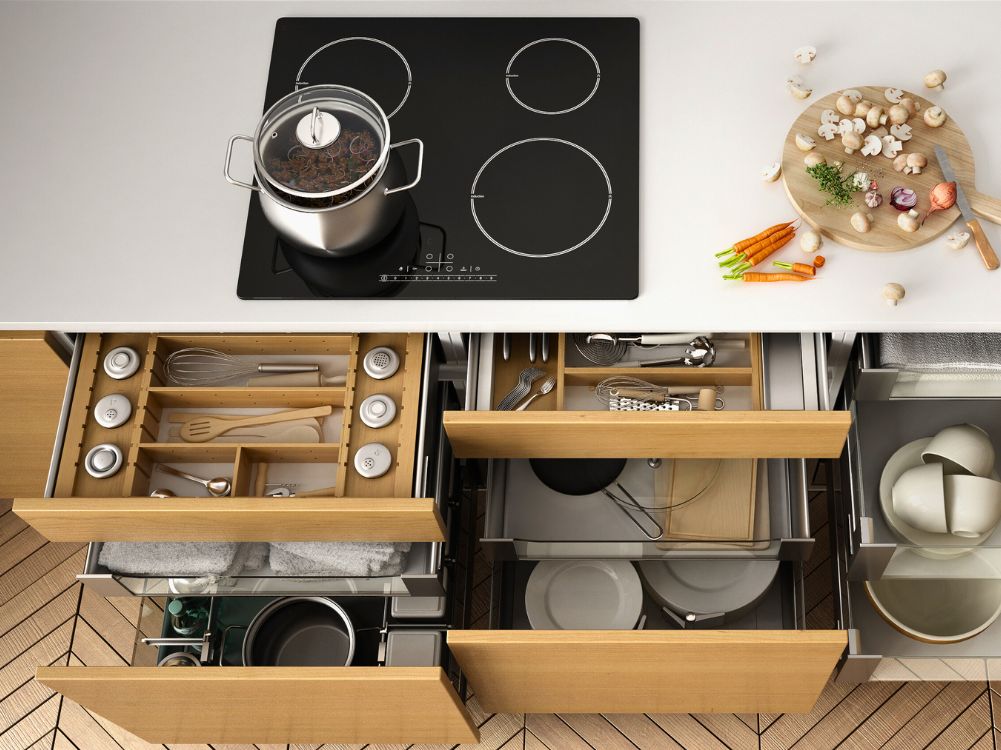
Where and how you store your gadgets make a big difference. Always keep tools dry and separate metal items from wood or silicone to prevent staining, rust, or warping. Protective covers, cases, or dedicated drawers help prevent accidental scratches, dents, or damage to delicate parts. For example, storing a stainless-steel citrus press alongside a sharp knife without protection could leave scratches on both.
2. Regular inspection
Take a few moments each month to check your tools for signs of wear. Look for cracks in plastic, frayed cords on electric appliances, or rust on metal components. Early detection prevents minor issues from becoming costly repairs or replacements.
3. Lubrication and calibration
Some tools, especially those with moving parts like grinders or citrus presses, benefit from occasional lubrication with food-safe oils. Precision tools like thermometers may require calibration to ensure accuracy. For most home cooks, a gentle check against a known standard (like ice water for thermometers) is enough, but professional recalibration is recommended for high-precision tools.
4. Avoid misuse
Using your gadgets incorrectly can shorten their lifespan. Don’t overheat blenders or frothers, overfill juicers, or use tools for purposes they weren’t designed for. For example, a knife sharpener should only be used on knives, and not scissors or other metal objects. Following proper usage instructions prevents unnecessary wear and maintains performance.
5. Power care
For battery-powered appliances, remove batteries when the gadget will be unused for long periods. This prevents leakage that can damage internal components. Similarly, unplug electric gadgets after cleaning and before storage to preserve motor life.
Common Mistakes When Cleaning Kitchen Gadgets
-
- Using dishwashers for non-dishwasher-safe items. High heat or strong detergents can warp plastic, damage coatings, or ruin electronic components.
- Soaking electrical components or thermometers. Water can seep into motors or sensors, causing short circuits or corrosion.
- Ignoring buildup under blades, seals, or hinges. Residue hidden in these areas can harbor bacteria and degrade performance.
- Using bleach or vinegar on metal surfaces. Strong acids and chemicals can corrode stainless steel or ruin sensitive sensors.
- Drying with abrasive towels or scrubbers. Scratches on nonstick coatings or metal finishes reduce both performance and aesthetic appeal.
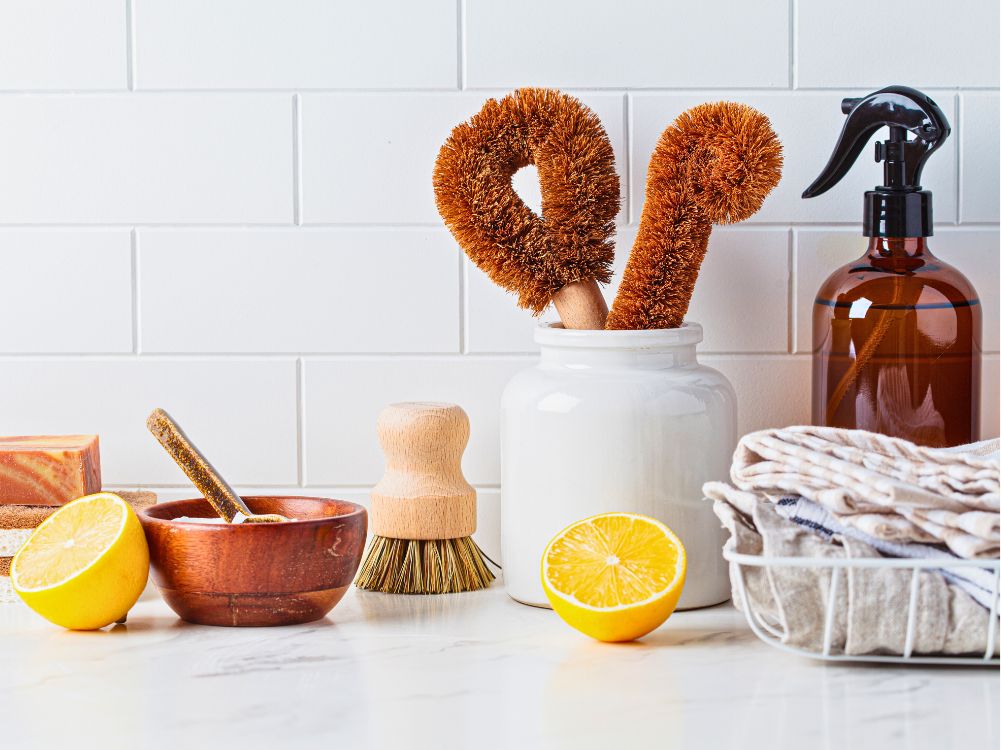
- Ingredients like baking soda, lemon, and mild vinegar are surprisingly effective at removing stains, odors, and grease. For example, a paste of baking soda and water works well on stainless steel or silicone without damaging the surface.
- Microfiber towels or sponges can replace disposable paper towels, reducing waste while providing excellent cleaning power.
- nstead of pouring away water used for boiling or steaming, use it to pre-rinse utensils or soak removable parts. It’s a simple step that conserves resources.
- Avoid bleach or industrial cleaners on delicate gadgets. They can harm finishes, corrode metal, or interfere with sensors in precision tools like thermometers.
Final Thoughts
Cleaning and maintaining your kitchen gadgets is a way to safeguard your investment and elevate every cooking experience. Well-cared-for tools are more reliable, safer, and more precise, whether you’re whipping up a latte with a frother, blending a smoothie, or checking meat with a thermometer.
At Zulay Kitchen, we design gadgets that simplify cooking, but even the best tools require proper care. By adopting smart cleaning routines, deep-clean schedules, proper storage, and eco-conscious habits, you can extend the life of your favorite kitchen gadgets for years to come.
Remember: Maintenance is all about consistency, safety, and performance. A few mindful minutes after each use can make every meal smoother, cleaner, and more enjoyable. Treat your gadgets well, and they’ll reward you with precision, efficiency, and lasting reliability.




Leave a comment
This site is protected by hCaptcha and the hCaptcha Privacy Policy and Terms of Service apply.